Overlooking corruption in the security sector is a risk
 Share on Facebook
 Share on Linkedin
 Share on Twitter
The risk of corruption in the security sector exists across all societies. It can take various forms but will always harm people and communities.
Imagine a finance manager adding fake police officers to the payroll and pocketing their salaries, while allowing real officers to skip work or pursue side jobs in exchange for a cut, then falsifying timesheets to cover it up.
Corruption has concrete and visible consequences for people's lives. Security is reduced, police response times slow, crime can rise unchecked, public trust in law enforcement erodes, public funds meant for protection are squandered, and honest officers are overburdened. The broader consequences are severe: national security is weakened, social inequalities deepen, and effective governance is undermined.
To counter corruption, effective oversight by legislative and independent bodies and investments in their capacity to enhance transparency and accountability are crucial.
This and more insights are discussed in one of the latest policy briefs published by the T20, the official network of research institutes and experts of the G20, titled “Security sector corruption: The overlooked risk in global stability and development agendas”. Co-authored by two DCAF experts, it sheds light on how the G20 and its members can strengthen oversight of the security sector to counter corruption.
Check out the DCAF resources below to learn more about corruption in the security sector and strategies to address it.
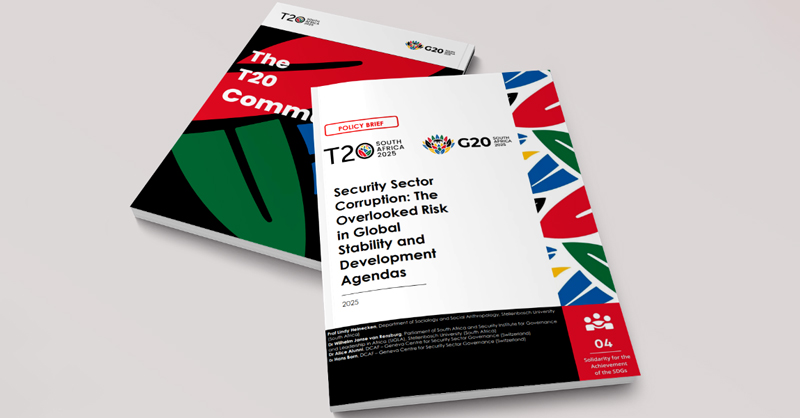
Security sector corruption: The overlooked risk in global stability and development agendas
Security institutions are vulnerable to corruption. This T20 policy brief outlines actionable recommendations for the G20 and its member states to counter corruption in the security sector. The recommendations have been incorporated into the T20 communiqué to inform deliberations at the G20 Summit in South Africa.
Corruption control and integrity-building in law enforcement
What are the best strategies to counter corruption in law enforcement? How can we strengthen the integrity of these institutions? Our report offers evidence-based guidance for policy and programming.

Training Manual and Toolkit on Police Integrity
These two resources are the core DCAF guides to police integrity. The training manual assists various actors of the security sector to train their staff, build and sustain organizational integrity. The toolkit was designed as a self-check knowledge tool to help police managers to address organisational issues related to prevention and the fight against corruption. Both are available in several languages and are updated regularly.
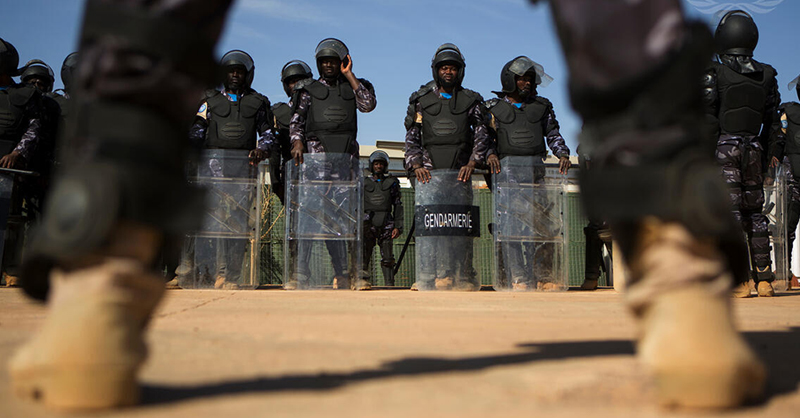
Rooting out security sector corruption with the rule of law
This article highlights four key areas where the rule of law and anti-corruption efforts intersect in supporting democratic governance.
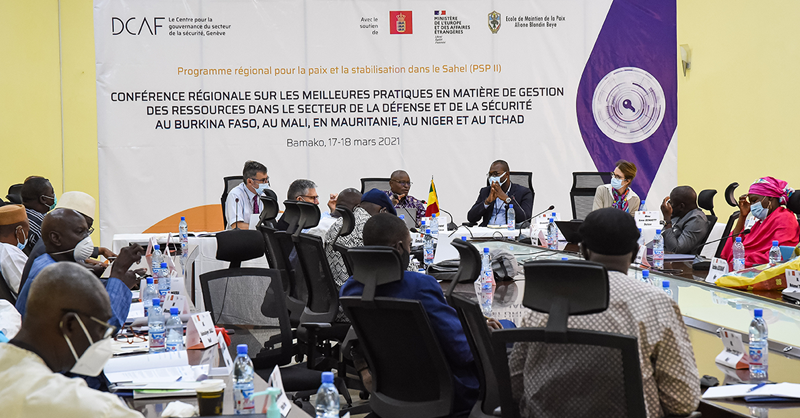
Transparent and rational resources management is critical in the Sahel states. DCAF gathered experts from Burkina Faso, Mali, and Niger to develop recommendations to improve transparency and accountability in their own defence and security institutions. Learn more in the article.

Not necessarily more money, but better control
"The population either trusts or does not trust. This trust is linked to how transparency and accountability are integrated into the governance of the defence and security sectors." Take a look at this interview with Dr. Oswald Padonou, a Beninese lecturer and researcher in political science and the author of publications on political and security governance in Africa.
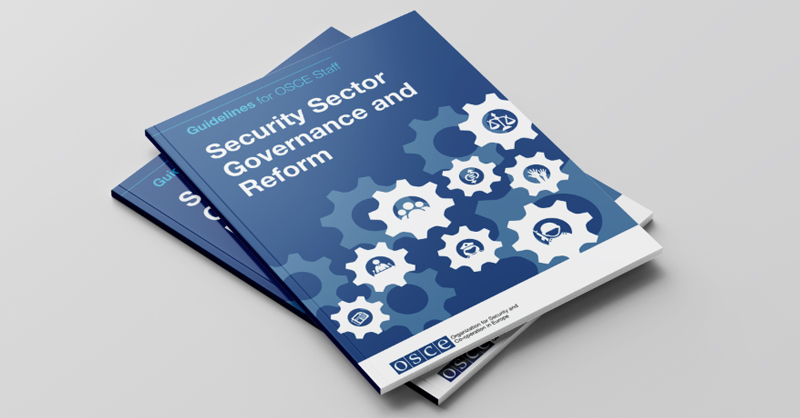
Security Sector Governance and Reform: Guidelines for OSCE Staff
DCAF has been a long-standing partner of the OSCE, supporting the creation of OSCE staff guidelines over the years. The guidelines help understanding security sector reform (SSR) in the OSCE context, what are the different approaches to SSR, explains how to strengthen regional cooperation and to build integrity through good governance of the security sector.
More recently, we have discussed the topic of corruption with a focus on the role of ombuds institutions in preventing abuse of power within the armed forces at the 17th International Conference of the Armed Forces (ICOAF). Check the conference report and final statement here.
DCAF has 25 years of experience promoting good governance and security sector reforms through research, advocacy, and programming in more than 70 countries. Corruption is one of our many areas of expertise. To stay informed, whether you are just starting out or looking to refine your existing skillset, DCAF’s vast library of SSG/R resources has what you are looking for.
Subscribe to our monthly Grab & Go newsletter to get all our latest resources delivered right to your inbox.