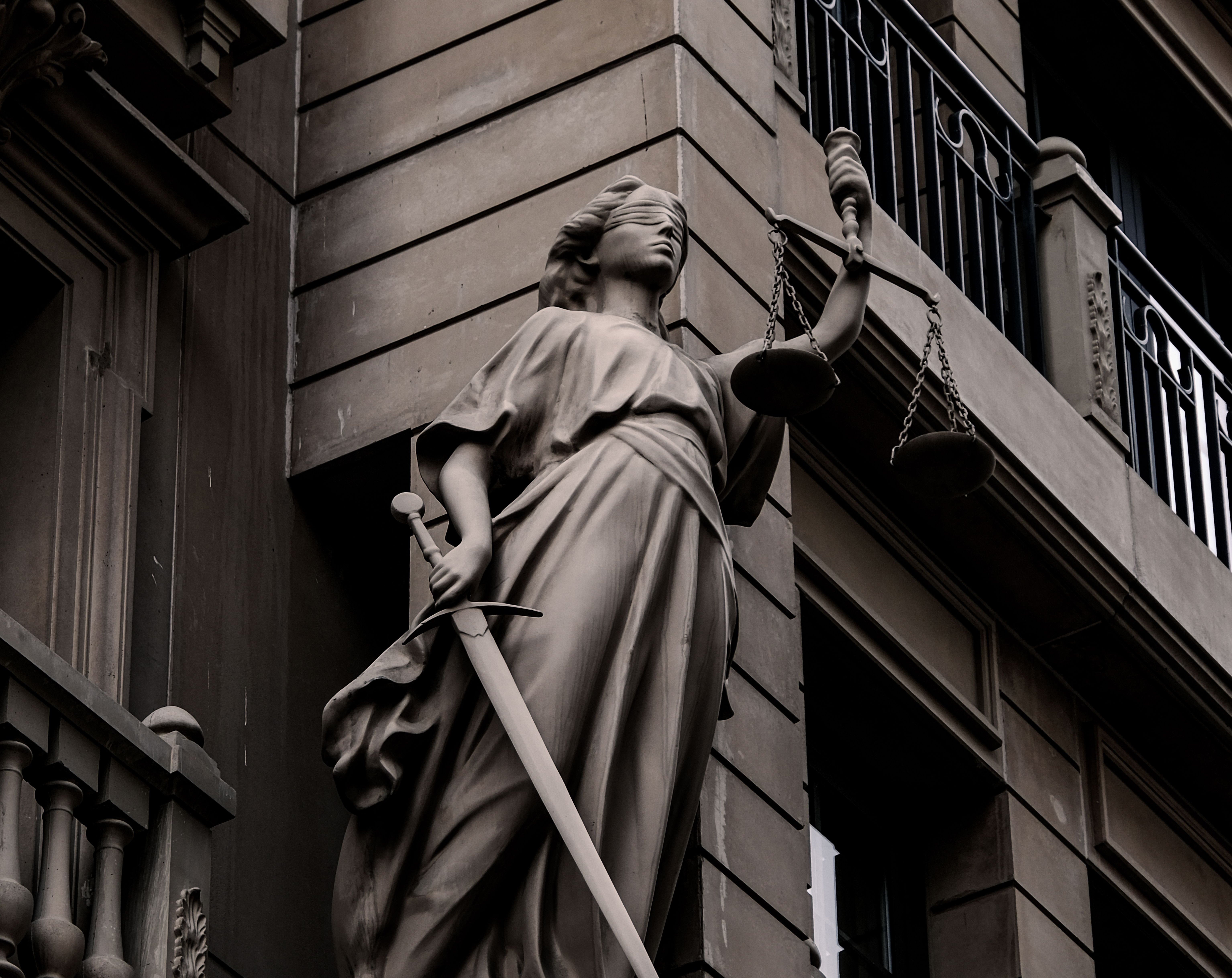
Can AI be beneficial to justice systems in countries in conflict?

pexels-furkanalakoc-34410145V2.jpg

Can AI be beneficial to justice systems in countries in conflict?

  • artificial intelligence
  • justice
  • conflict

Guest(s): Prateek Sibal, Programme Specialist, UNESCO

In this episode, we speak to Prateek Sibal, who works in artificial intelligence and digital transformation at UNESCO.

Key takeaways
  • AI is helping courts to improve efficiency, reduce case backlogs and increase access to justice.
  • The adoption of AI faces risks related to weak governance, bias, a lack of transparency, and threats to judicial independence. 
  • Building trust in AI within justice systems requires robust governance, transparency, ethical safeguards, and continuous human oversight and training. 
Download Transcript PDF
Maritie Gaidon
Welcome to Shaping Security, the podcast where we put security governance at the heart of the conversation and update you on today's security challenges. I'm pleased to be joined by Prateek Sibal who works in Artificial Intelligence and Digital Transformation at UNESCO. So hi Prateek, welcome to the show.
Prateek Sibal
Hi Maritie, thanks for having me.
Maritie Gaidon
You're welcome. So your area of expertise is capacity building for government, judiciary and parliamentarians. So for today's show, we'll focus on the use of AI in the highly complex context of the justice system.
And more specifically, in fragile and conflict-affected situations, it's a topic you have worked on with DCAF for an upcoming publication. So I want to start with a basic question that is still obscure and unclear to most people. How is AI used today in the justice system?
Prateek Sibal
Absolutely. So thanks also for DCAF for putting the spotlight on fragile conflict and violent situations because it's not something we often talk about. Now coming to the justice system, you will hear examples, for instance, of in India where you have about 50 million cases pending, in Brazil where you have, I think, about 80 to 90 million cases pending in courts.
So there's a big push towards administrative efficiency to clear case backlog and also to strengthen access to justice around the world. And this has led to different kinds of AI tools being developed. For instance, staying with our example in India, you have translation tools being developed.
We have about 22 official languages in India and I think there are about 900 languages in general. So the courts have developed this tool called Suvas which allows the rulings to be translated into about 16 regional languages. But beyond that, courts are also using AI tools for document research.
And there's some research which shows that for basically e-discovery, they have been able to reduce the time that it takes for them to do research into precedents and so on by about 15 to 20%. And these are like some savings that courts are trying to look at in different parts of the world. For instance, another example would be in Brazil when you have a case with a general repercussion and the court has to take it up for hearing urgently, they have been able to reduce the processing time from about 40 minutes to much less using AI systems.
So this strengthens people's access to justice. It reduces administrative burden and courts can transfer some of that workforce to other domains. These are just some of the examples.
There are examples of anonymisation. There are examples of online dispute resolution where AI is being used. So it's really a lot of applications there.
Maritie Gaidon
Yeah, it's great because your examples show also like it can be very positive in a very specific context. But now I want to take a closer look at fragile and conflict-affected situations. This is a category used by the World Bank, the OECD and the EU to describe places where resources are often scarce and governance is weak.
And the EU estimates that 1.5 billion people currently live in such situation. So that's it for the definition. And now the question, what challenges do these fragile states face when adopting AI tool for use in courts, policing and legal decision-making?
Do you think that transparency is the main challenge?
Prateek Sibal
So first, I think I would preface my remarks. When we talk about fragile, conflict or violent situations, we are also thinking like AI, but what is the role of AI in these situations? Like why do we need technology?
This is only for situations where, you know, everything is happy, everything is resource rich and so on. But actually, if you dive deeper, a lot of the innovation is happening when people are really struggling in these situations to find solutions to justice. And I would give you an example, for instance, I was speaking with a judge in Colombia and after the civil war, they said that basically they had to rule on reparations.
And when, as a judge, reparations and matters related to reparations were not this particular judge's expertise. So he was able to use Gen AI tools to find more information, to build up his knowledge base in a much faster way than it would have happened traditionally. This is just one example in a fragile situation where a judge used Gen AI to find more information.
But then you can have other examples where you are able to, for instance, make your rulings available in a more simpler manner. You can summarise things. You can use AI for these applications, but also to have basically case management, which is done in a more electronic way, things like that.
I would say some of the challenges are really around, first, the institutional strength. Do we have enough people, enough resources to actually think through the administrative processes, the governance processes that you need to put in place when you're using AI systems to ensure that there is accountability, ensure there is transparency, ensure that these tools are developed in a manner that thinks about the population on which they are going to be used. So these are some concerns that we need to be careful of.
And one example, since you also mentioned policing, would be around predictive policing. Because in high-pressure situations, we are always going towards trying to find an easy tech solution. But actually, we need to be very careful when you're using predictive policing, because basically you're going to use past data to predict where there is going to be more crime.
And this can have biases based on whether you have more police deployment in a particular area, so you recorded actually more crime in that area. And this pattern is repeating. So one has to be very careful when deploying these solutions and put in place some of those safeguards around, say, ethical impact assessments and so on of these tools.
Maritie Gaidon
Okay, actually, I like when you say that we want to go for the easy tech solution, because it leads me to my next question, which is really like, can we consider that AI help strenghten trust in the justice system? So in countries recovering from conflict, as you mentioned, where we could consider that AI is not the solution. Or might it make existing problems worse?
Prateek Sibal
I think trust is a factor, not just plainly of technology. When we are thinking about AI as a technology, it is how we deploy it, which is a factor that drives trust. So if you are doing, say, proper public consultations and also with experts, then maybe it makes your case a bit stronger.
It makes your use case a bit more holistic in how you have thought about it. You've thought about what are the potential pitfalls, what are the potential exclusions when you are using this tool, and this helps build trust. Also, it makes people aware that you are open to having their feedback, and then they say, okay, actually, I was involved, or people representing me were involved in this process, so my concerns have been taken into account.
That, I think, is a very important step when trying to build trust when AI systems are deployed. A second thing, going back to your previous question, is around transparency. So one thing that we always recommend is to share where you are using AI tools, for what purpose, how have they been developed.
It is very important for people to know because then that gives them a redress mechanism. They know that a decision has been taken using AI, and then they say, okay, actually, I would like to challenge this part. So transparency, in that sense, is very important as it leads to more accountability, and that leads to more trust.
Another example that I would actually mention, this is particularly in an FCV context where AI tools have been used for community discussions in multiple languages to analyse how communities, what is their feedback, and then to inform policies and solutions. So you can have assemblies of citizens in different parts of the country, region, wherever, and you get their feedback. So it's been used to analyse the discourse and then inform policies and so on.
The final bit that I would put in place is really the governance of AI tools. So starting from why you have taken this tool on, why you decided to develop it, to doing, say, an ethical impact assessment of this tool, to putting in place proper mechanisms for documentation. So later you can do the audits to go back and see, I decided to use this tool for XYZ purpose, and is it still working for that purpose?
Is it still solving the problem that I set out to solve or not? I think this require a governance structure within either the courts or ministries of justice to oversee the mechanisms of how AI is being deployed. We're seeing a lot of pilots everywhere without any form of governance, and that is actually a risk because if something goes wrong that can erode public trust, not only in the courts, but also in how AI is being used.
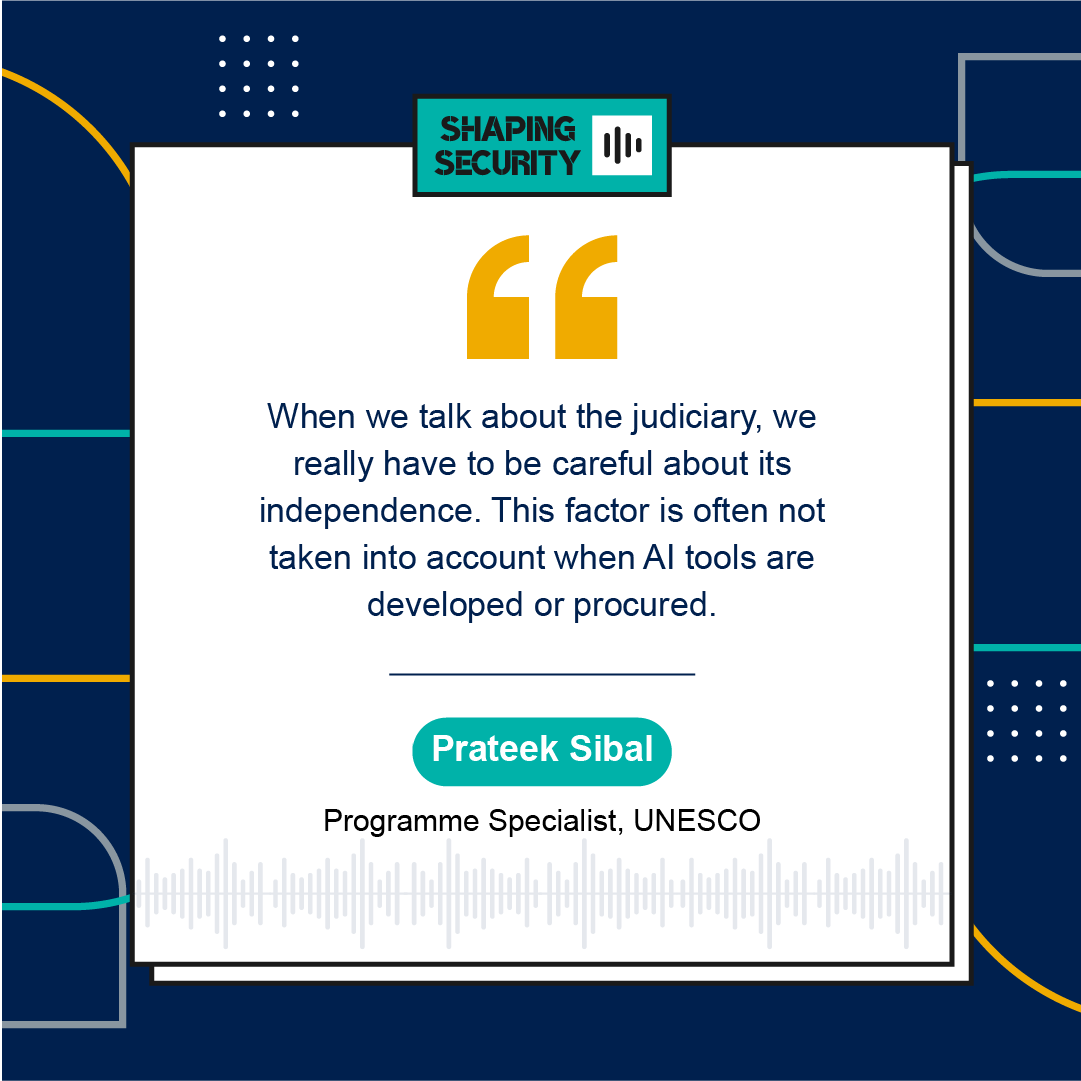
And I will just add one final point here. When we are talking about the judiciary, we really have to be careful about the independence of the judiciary. When AI tools are developed or procured, a lot of times this factor is not taken into account.
Who is having the data? How is the algorithm decided? Is the court in control or is it, say, a private sector vendor who's deciding all these factors because then it changes this paradigm of independence of the judiciary.
So we need to consider when we are procuring these things. In a lot of countries, it's free AI tools that are being offered to courts to do pilots. And they're like, yeah, great, let's try.
But we need to think, even when things are coming free, who is deciding? Is the judiciary deciding actually or not?
Maritie Gaidon
That's such a good point. And it also rings a bell with what you were saying. I think for the second question, when you say one of the important aspects is to be sure that there are enough people to think about the process to ask all the questions before using it or when using it.
That's really linked to this.
Prateek Sibal
Absolutely. We need to make sure who is regulating it, what kind of committees, processes have been put in place. So the checks and balances basically need to be put in place around supervision of these AI tools.
And I would just add that it should not be considered only as an IT question. And this is often the problem when we're talking to the judiciary. They're like, okay, this is the IT team's job and they will figure out.
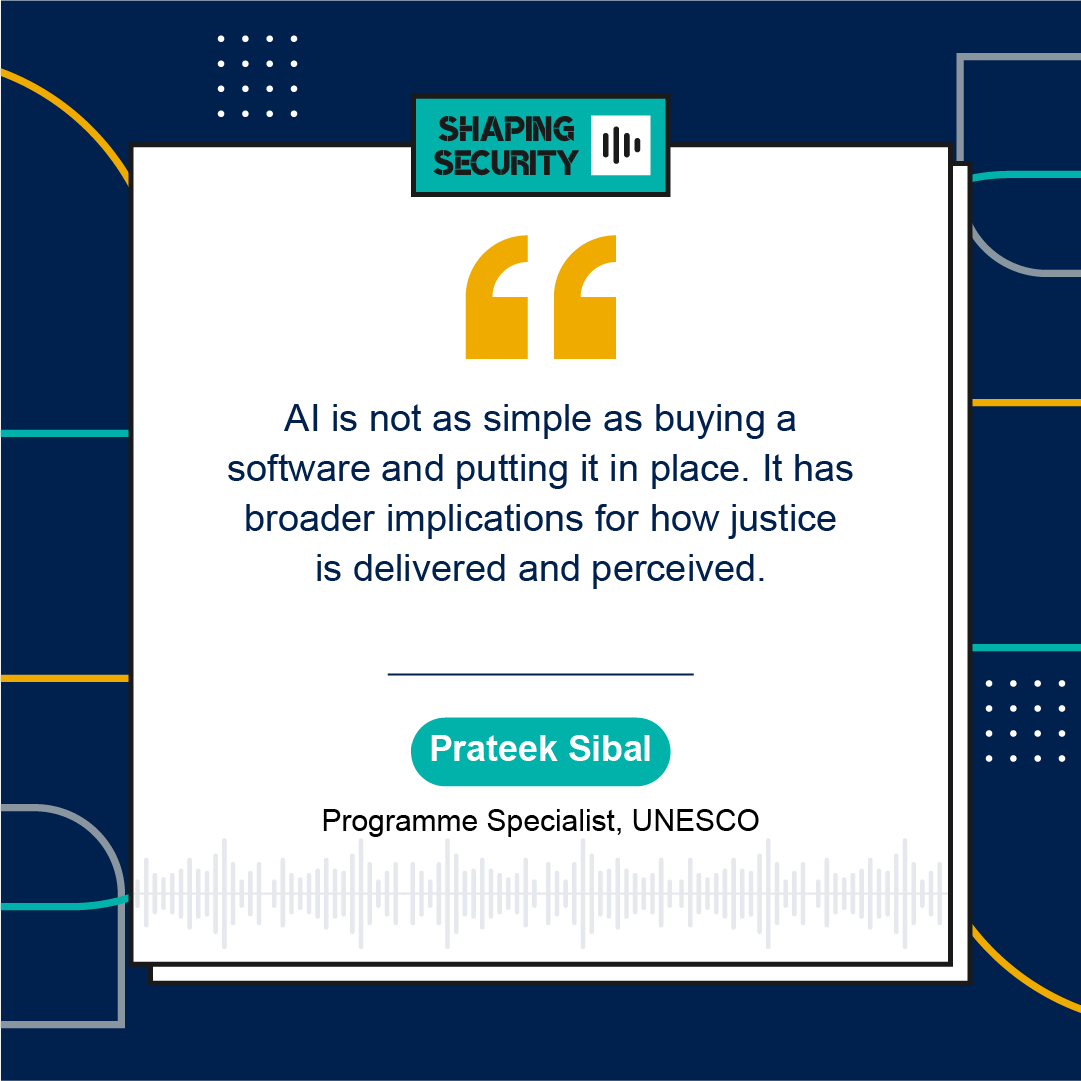
But actually, I was saying there are other principles related to impartiality, related to non-discrimination, related to independence of the judiciary that are actually implicated when you're using AI. It's not just like buying a software and putting it in place. It has broader implications for how we deliver justice, how it is perceived by people.
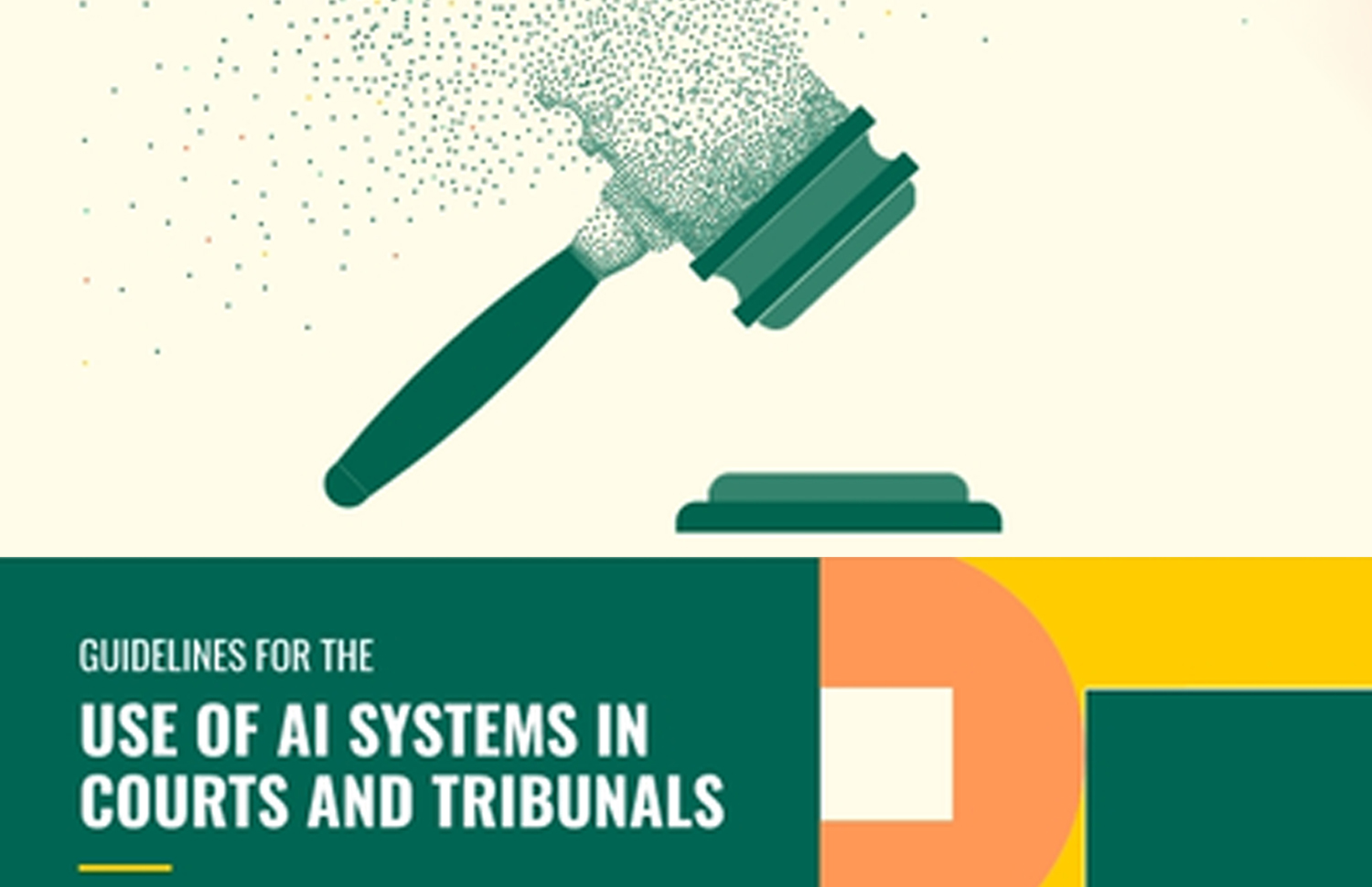
And those things require a solid governance mechanism. And we at UNESCO have really talked about it in the guidelines on the use of AI systems in courts and tribunals that we've launched. And we are also complementing this process with large-scale training programmes.
So we offer trainings in person for judges and court staff, but also online with a new massive open online course coming up with the University of Oxford, which will be available for free. So we are walking the talk in a way of what we are hearing from the judicial actors worldwide.
Maritie Gaidon
I hope the course will be available soon like this I can share with the listeners.
Prateek Sibal
Absolutely.
Maritie Gaidon
I ask now the final question. What safeguards can ensure accountability in the use of AI within justice systems? And really, more importantly, who should regulate and supervise these systems?
Prateek Sibal
I mean, again, it goes back to this point around governance. So in countries, they have in some countries, they have passed some form of AI legislation and some countries are in a more waiting and seeing and promoting like more innovation first and then thinking about regulation kind of mode. And we've mapped basically nine kinds of regulatory approaches that are being followed at the country level.
But for the judiciary, I think it's important to first consider do you have some kind of an AI strategy in place? Because you should not then be in this process of just doing pilots here and there. But first have a strategy of what kind of data you have.
Is it even available in digital formats? In a lot of places, we are still on paper-based systems basically. Do you have enough compute resources available?
Do you have enough support available to judges and the courts when these tools are deployed? Do you have enough trainings available for them to upskill themselves? Do you have the guardrails on when to use this tool and when not to use because each tool comes with its limitations and its objectives.
You can't use something designed for legal research to do a summary. And a lot of times we are thinking of AI tools now as Gen AI and as a large language model. But there are very specific tools that are developed for which are rules-based AI systems for basically document search and so on and so forth.
So I think that kind of governance mechanism should start with putting in place a strategy. Then a kind of a crack team or a committee which oversees how this strategy is implemented. And then you have developed more specific tailored guidelines within the judicial context and templates to, for instance, as I was going back to this point of ethical impact assessments of your tools and audit mechanisms when these things kick in.
What is the life cycle of an AI tool and how it is deployed? What are the governance mechanisms at each step? All this needs to be defined by this kind of a governance committee within the courts who are then also available to answer any questions when problems arise.
Because if you may have a pilot and you may use a tool and then there's a problem, who do you go to? You don't know. So all this needs to be put in place from the beginning so we have better governance.
Maritie Gaidon
Yeah. Well, thank you. I think for me, I have a few things that I'm like, OK, I will keep this in mind and think about it.
But I also really like your point about when you say, one of the questions is also to say, do you have enough support to understand the tool? And something that we never, never mention is the life cycle of AI. Because it's like any software and so on.
And even if you have trained a judge to use maybe this AI tool, well, maybe in two years there will be another one. And then it starts again.
Prateek Sibal
Absolutely. Yeah, I totally agree.
Maritie Gaidon
Thank you one more time for being here.
Prateek Sibal
Thank you so much, Maritie, for having me.
Maritie Gaidon
Welcome back to the second part of this episode. What role does AI play in countries in conflict? Could AI benefit justice systems?
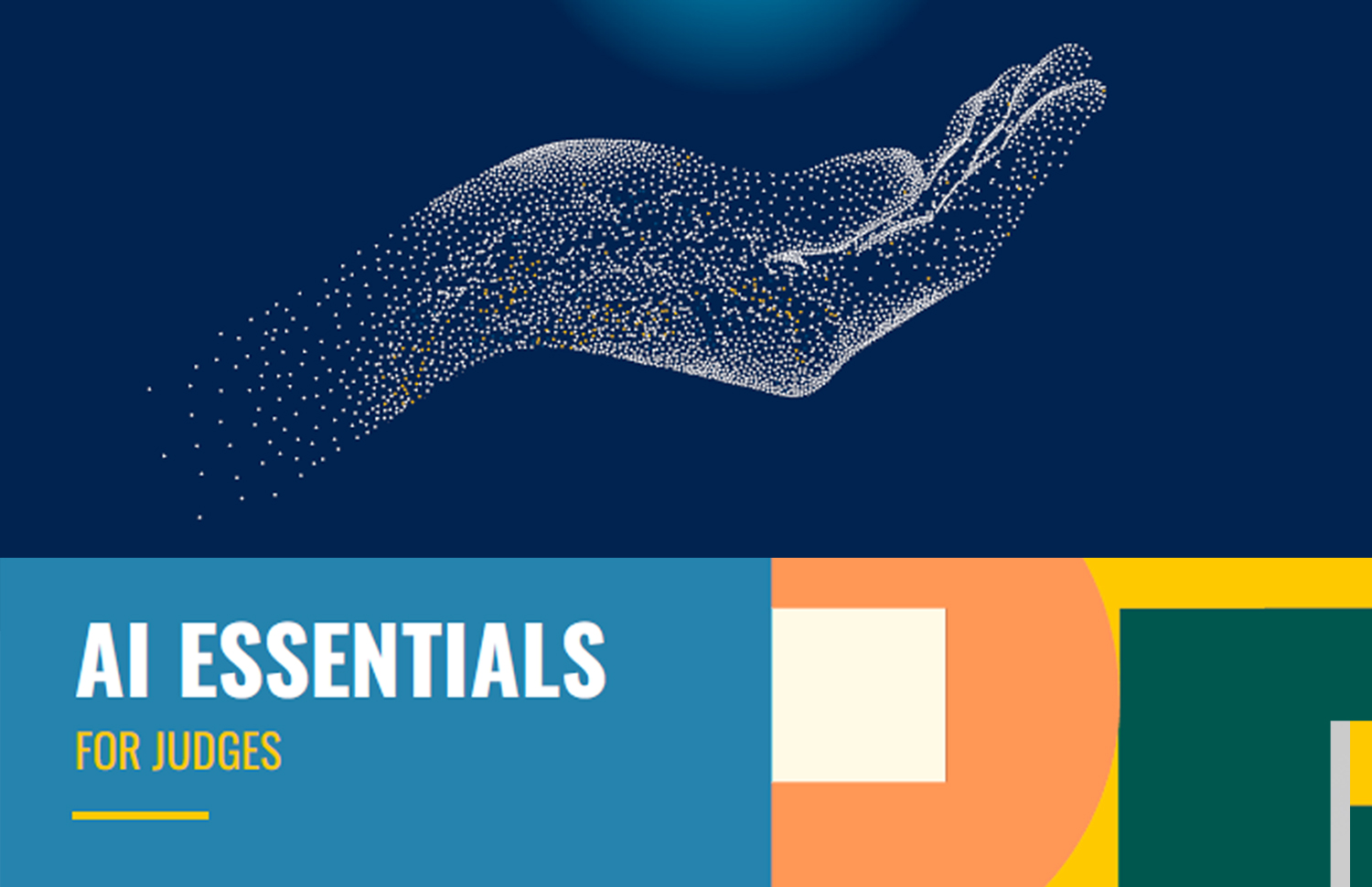
This is a topic that could be discussed endlessly. But you are busy. So as usual, I will briefly introduce two resources and you will have to visit dcaf.ch to check the others. I start with a resource from our guest. It's a Q&A-style publication. It's called AI Essentials for Judges.
Easy. Straight to the point title. What I like is this question-answer format.
Will AI replace human judges? Can AI predict court decisions? What are the applications of AI in the judicial sector?
Each question is answered in one or two short paragraphs. It's just perfect. The second resource is a DCAF podcast.
It's part of a previous series that we did in 2023 and 2024. I've picked this one because the guest is Georgia Hinds. She works at the ICRC as a legal advisor focusing on new technologies of warfare.
Warfare as the use of science and technology for applications that can cause harm. She explains how the ICRC is looking at the legal factors, strengthening or developing the AI essential rules that relate to the protection of people. And that's all for today.
If you enjoyed the show, please share it with a friend. That makes a huge difference. And visit dcaf.ch for more resources. Thank you for listening to Shaping Security, the podcast where we put security governance at the heart of the conversation and update you on today's security challenges. If you enjoyed the podcast and would like to support us, please share it with a friend or leave us a review on your preferred podcast platform. You can find out more about dcaf on our website and our social media channels.
We also have a monthly newsletter that shares the latest resources. Don't miss the next episode of Shaping Security.
Recommended resources:
Close

Download this quote and share it on your preferred social media network.