DCAF is dedicated to making states and people safer, within a framework of democratic governance, the rule of law and respect for human rights.
What is DCAF
DCAF - Geneva Centre for Security Sector Governance is dedicated to making states and people safer through more effective and accountable security and justice. Since 2000, the Centre has facilitated, driven and shaped security sector reform (SSR) policy and programming around the world.
Good security sector governance (SSG), based on the rule of law and respect for human rights, is a cornerstone of development and security. DCAF assists partner states in developing laws, institutions, policies and practices to improve the governance of their security sector through inclusive and participatory reforms based on international norms and good practices. In everything we do, DCAF adheres to the principles of impartiality, local ownership, inclusive participation and gender equality. DCAF also advises governments and international organizations in designing and implementing their own programmes for supporting states in developing their security sector governance.
DCAF creates innovative knowledge products, promotes norms and good practices, and provides legal and policy advice. DCAF supports capacity building of state, civil society and private sector stakeholders by providing access to independent expertise and information on Security Sector Governance and Reform (SSG/R). DCAF’s Foundation Council includes 43 members representing 40 states and the Canton of Geneva. With programmes that touch on more than 70 countries, DCAF is internationally recognized as a leading centre of excellence for SSG and SSR. Headquartered at the Maison de la Paix in Geneva, DCAF has field offices in Addis Ababa, Bamako, Banjul, Beirut, Belgrade, Brussels, Chișinău, Kyiv, Ljubljana, Niamey, Ouagadougou, Ramallah, Skopje, and Tunis. DCAF employs more than 220 staff with a broad range of expertise from over 40 countries.
|
|
Download our flyer in English, French and Arabic |


The Geneva Digital Atlas represents the most comprehensive mapping of digital policy actors and internet governance scene in Geneva. The Atlas provides in-depth coverage of the activities of over 40 actors, including analysing policy processes and cataloguing core instruments and featured events.
Mission and Values
DCAF is guided by the principles of impartiality, local ownership, human rights and democratic control.
DCAF is devoted to making states and people safer, within a framework of democratic governance, the rule of law and respect for human rights.
DCAF works towards this ultimate objective by assisting partner states, and international actors supporting these states, to improve the governance of their security sector through inclusive and participatory reforms based on international norms and best practices, and in response to specific local contexts and challenges.

Member States
 ARMENIA
 AUSTRIA
 BELGIUM
 BOSNIA AND HERZEGOVINA
 BURKINA FASO
 CANADA
 COLOMBIA
 CYPRUS
 CZECH REPUBLIC
 FRANCE
 GENEVA
 GERMANY
 HUNGARY
 ITALY
ITALY
 LEBANON
 LIECHTENSTEIN
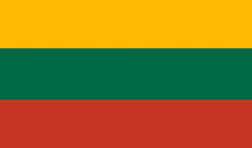 LITHUANIA
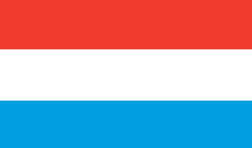 LUXEMBOURG
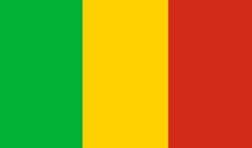 MALI
MALI
 MOLDOVA
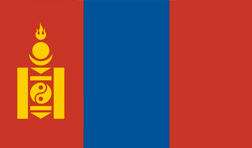 MONGOLIA
 MONTENEGRO
 SERBIA
 SLOVAK REPUBLIC
 SOUTH AFRICA
 SWEDEN
 SWITZERLAND
 THE GAMBIA
 UKRAINE
DCAF Governance
DCAF is a Swiss foundation with broad international support, established in 2000 on the initiative of the Swiss government. Along with its sister centres GICHD and GCSP, DCAF is headquartered in the ‘Maison de la Paix’ in the heart of International Geneva.
The Foundation Council is the supreme body of the DCAF Foundation which determines DCAF's strategic direction. It includes 43 members representing 40 countries and the Canton of Geneva. Amin Awad (Sudan/Switzerland) assumed the Presidency of DCAF’s Foundation Council in July 2024.
The Bureau of the Foundation Council is chaired by the President and is composed of 4 - 6 other Foundation Council members. It prepares Council decisions and manages the current affairs of the Foundation, unless such affairs have been delegated to the DCAF Director. The Director is responsible for the operational, financial, and administrative management of the Centre under the strategic guidance of the Foundation Council and the Bureau. Ambassador Nathalie Chuard (Switzerland) has been Director since March 2023.
Any nation with a demonstrable commitment to the democratic governance of the security sector is most welcome to join DCAF's Foundation Council. By joining, nations gain easier access to DCAF’s expertise and can immediately benefit from experiences of other like-minded countries in supporting or implementing security sector reforms. By joining, nations do not automatically commit themselves to support DCAF financially: however, they are offered opportunities to influence and shape DCAF’s programming priorities at the national, regional, and international levels
DCAF’s accounts are audited each year by an independent firm of auditors. In addition, DCAF is supervised by the Swiss Federal Supervisory Board for Foundations.
Our Statutes and Bylaws
The statutes are DCAF’s main constitutional document that determine DCAF’s legal status, purpose, activities, membership and governance structure. They also determine how DCAF’s assets are used, decisions taken and how DCAF is supervised. The current DCAF statutes entered into force in June 2024.
Read DCAF’s Statutes – English
Lire les statuts du DCAF - français
DCAF’s bylaws lay out in more detail the provisions of the statutes pertaining to the powers, duties and functions of the Foundation Council, the Bureau and the Director of DCAF. They also clarify procedural aspects related to the conduct of meetings and decision making. The current DCAF bylaws entered into force in June 2024.